


May We Live Forever in the Light of Day
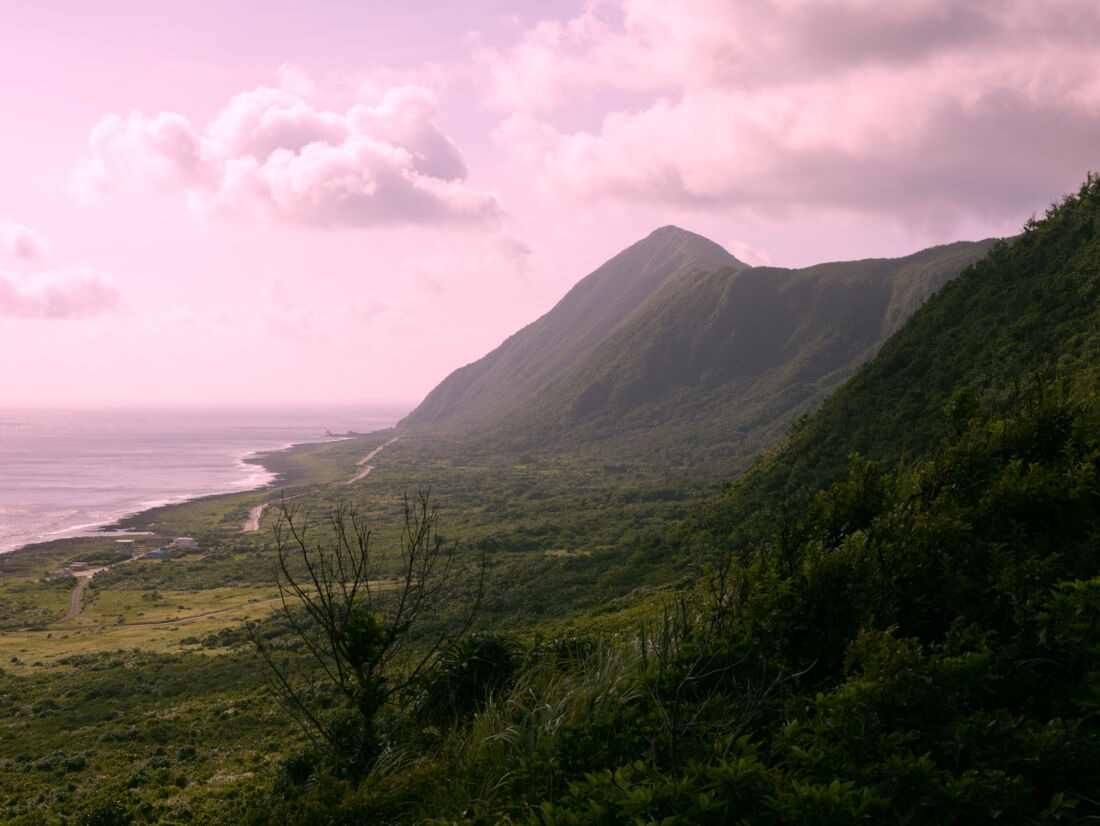
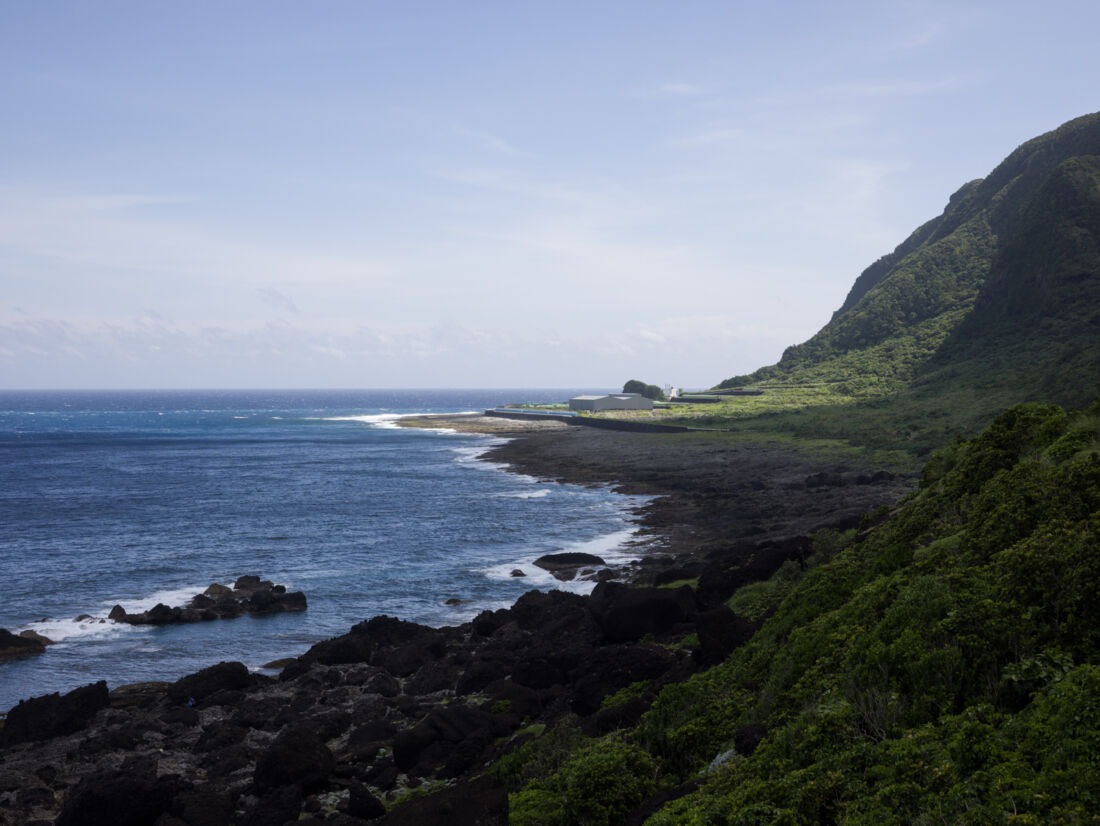
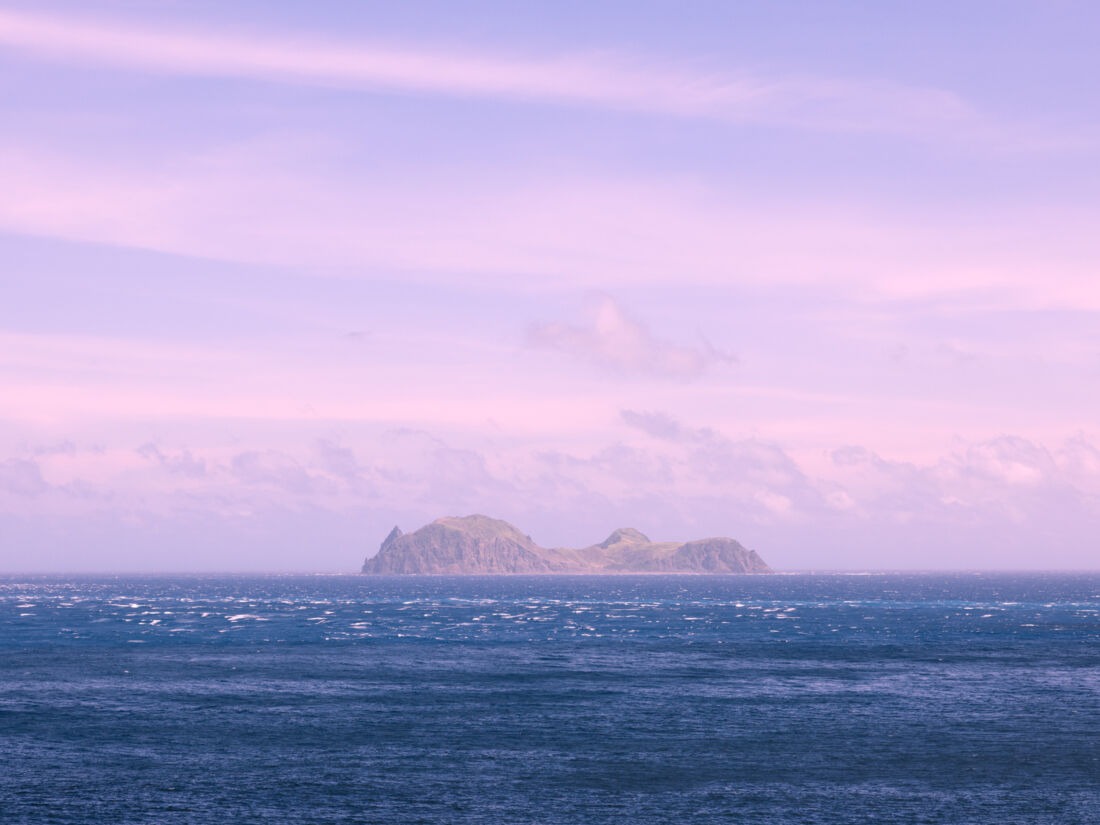
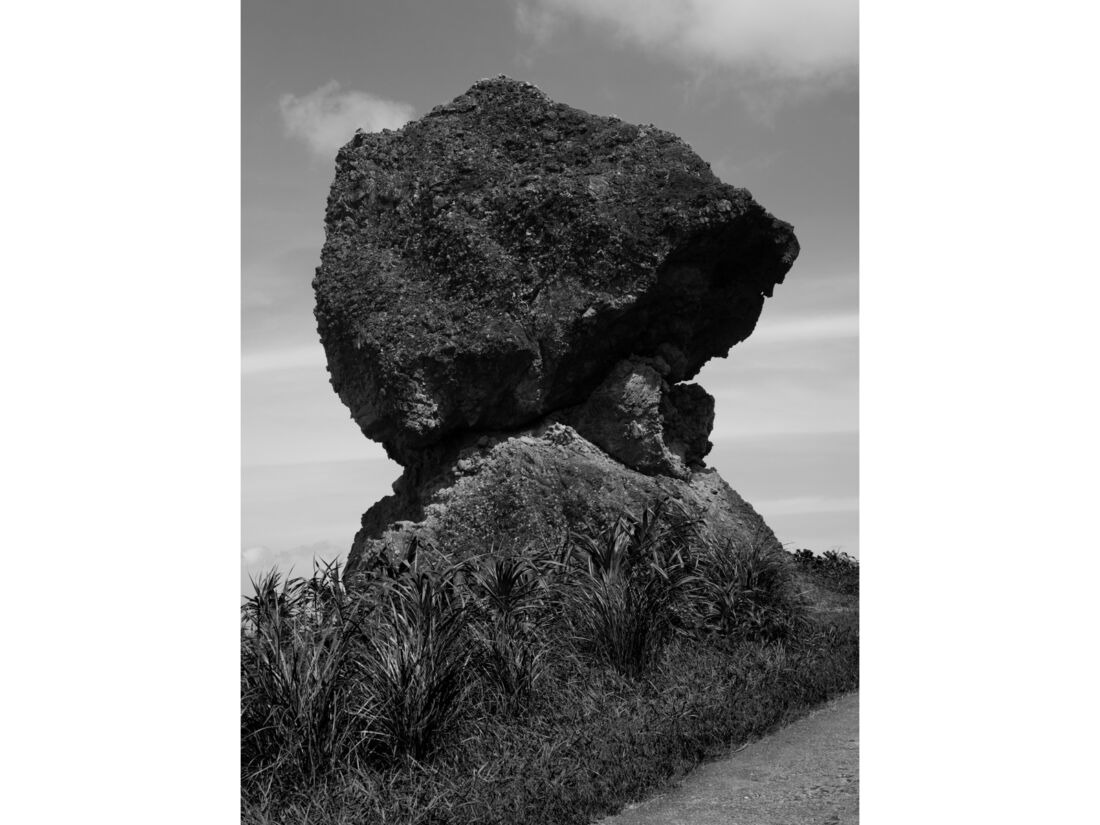
It is a buried file, hidden beneath the postcard image of a paradise island located southeast of Taiwan, at the meeting point of the Pacific and the South China Sea. Lanyu, “Orchid Island” in traditional Chinese, is home to endemic species of tropical animals and plants, the beliefs of the Tao people, the most isolated aboriginal tribe in the country, and some 100,000 barrels of radioactive material.
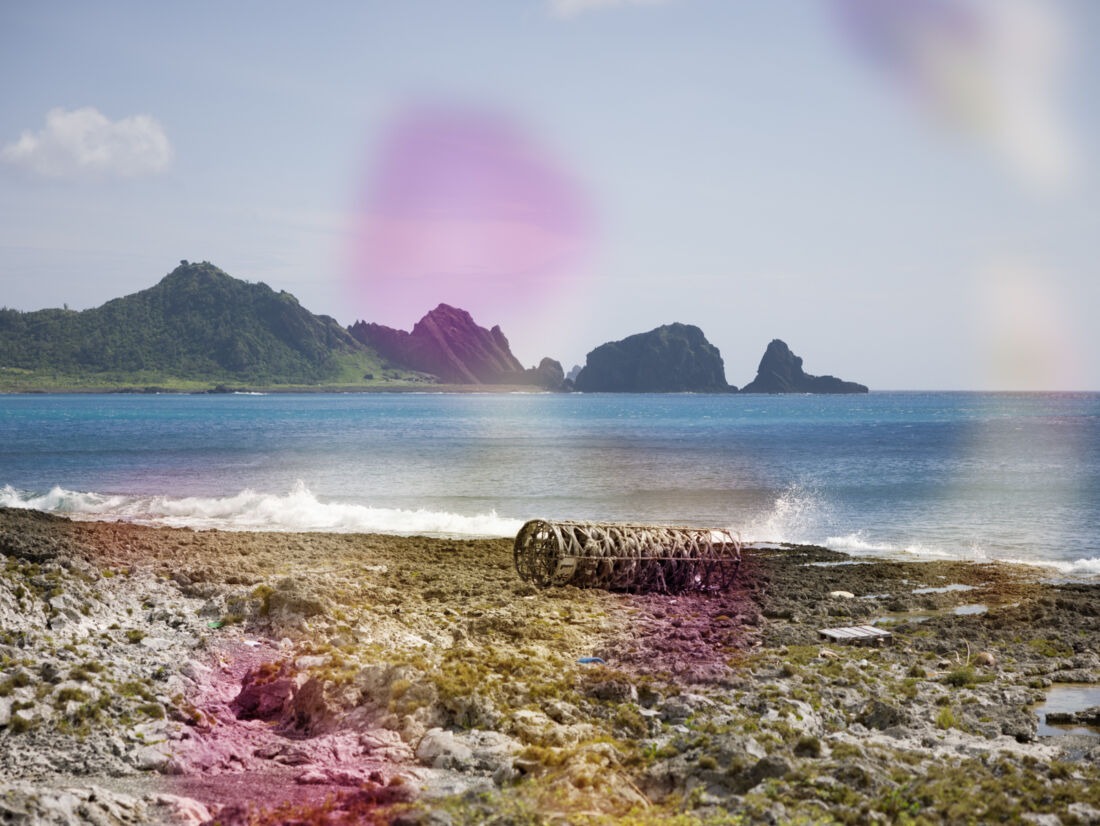
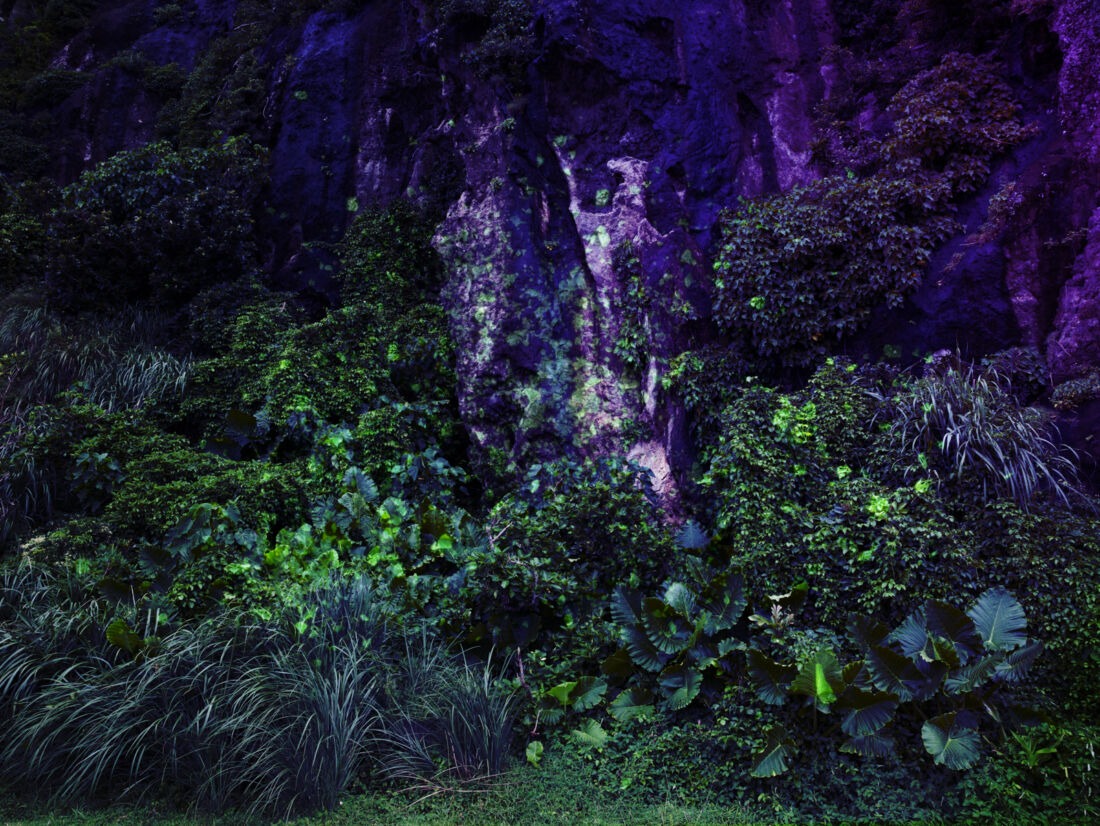
In the early 1980s, under the pretext of building a fish cannery, Taiwanese authorities, without the knowledge of Lanyu’s residents, established the first storage site for nuclear waste from the main island’s power plants. This choice was deemed politically safer, as the local population was largely unfamiliar with nuclear technology and the toxic waste it generates. Today, the drums are still stored above ground, exposed to typhoons and torrential rains just meters from the shoreline and the rainforest. These are areas where, according to Tao theogony, the Anito, ancestral demons akin to Japanese yōkai, must be contained.
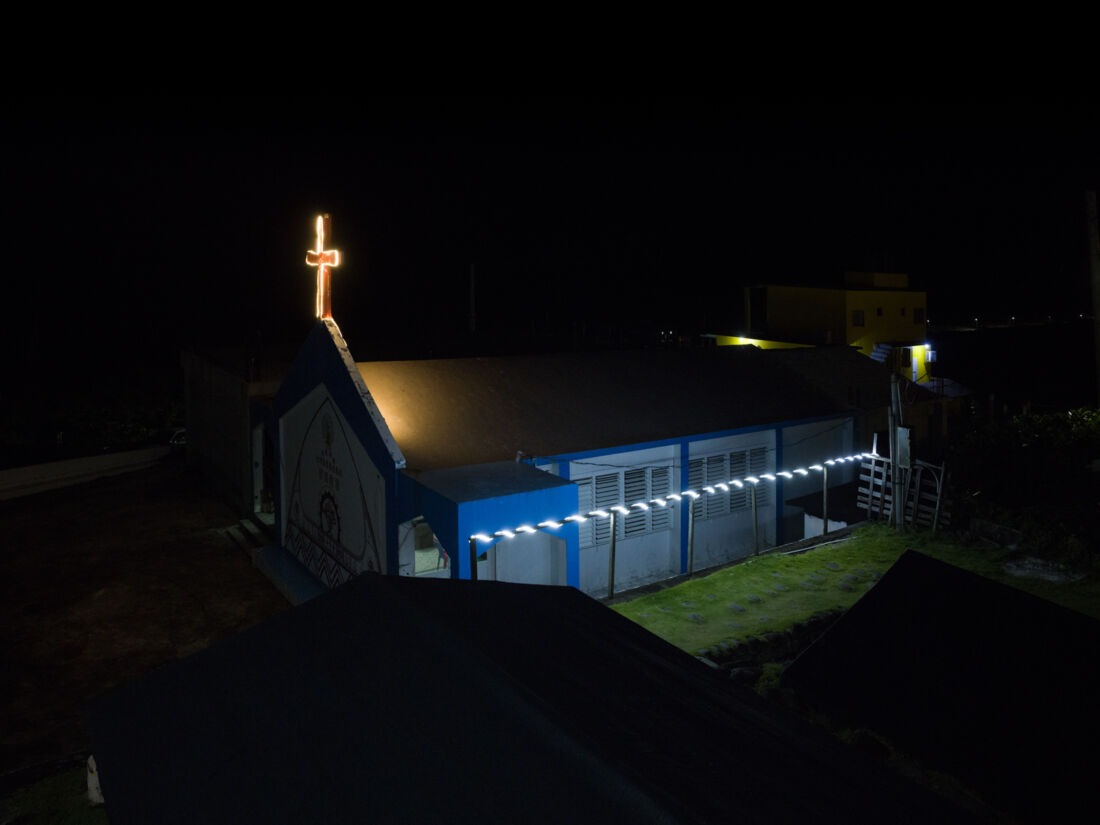
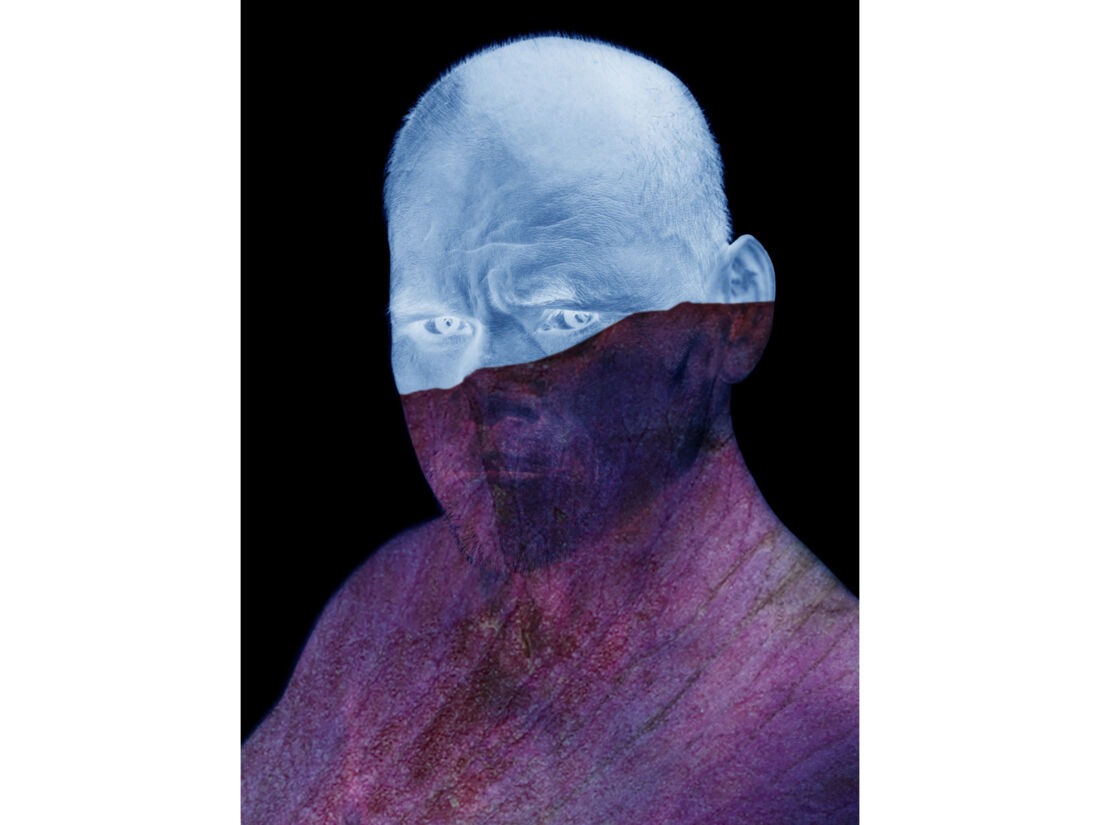
The modern Anito represented by the nuclear waste site arouses a collective fear between, on the one hand, the apprehension of natural risks (typhoons, earthquakes, extreme humidity and heat) or geopolitical threats (the threat of a Chinese invasion) and, on the other hand, an upheaval of traditional beliefs at the origin of cultural and social imbalances.
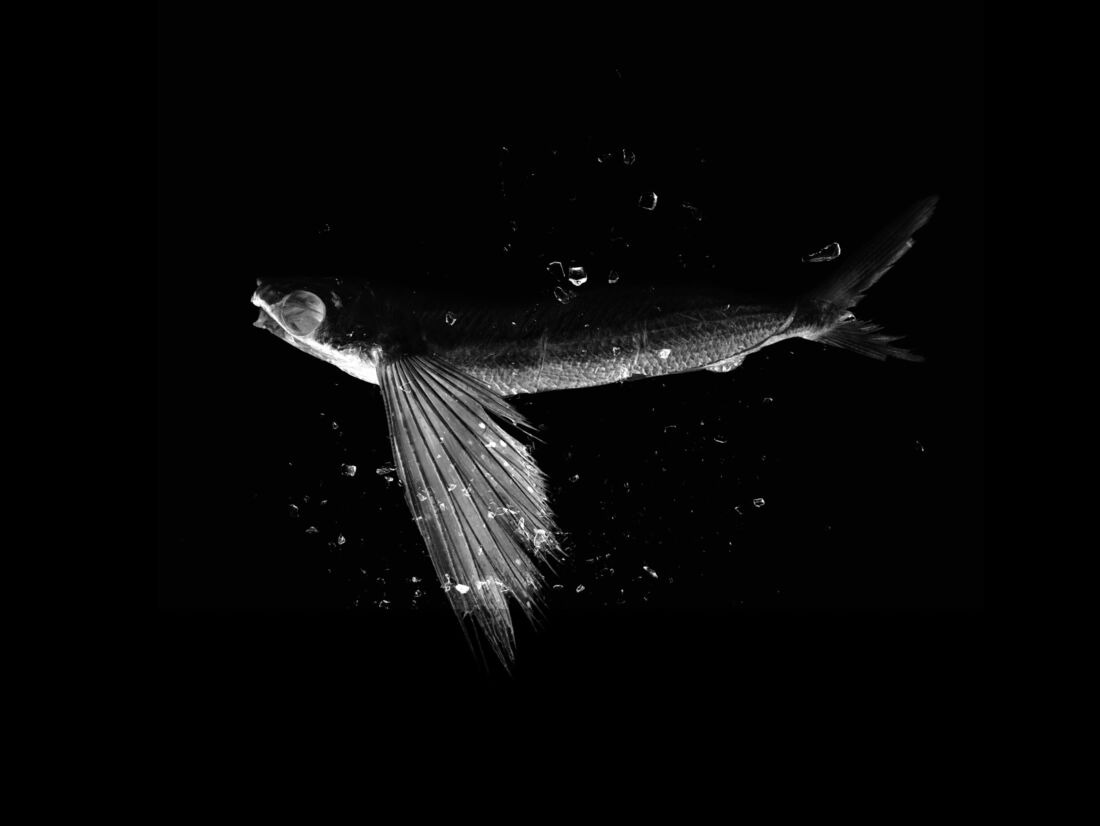
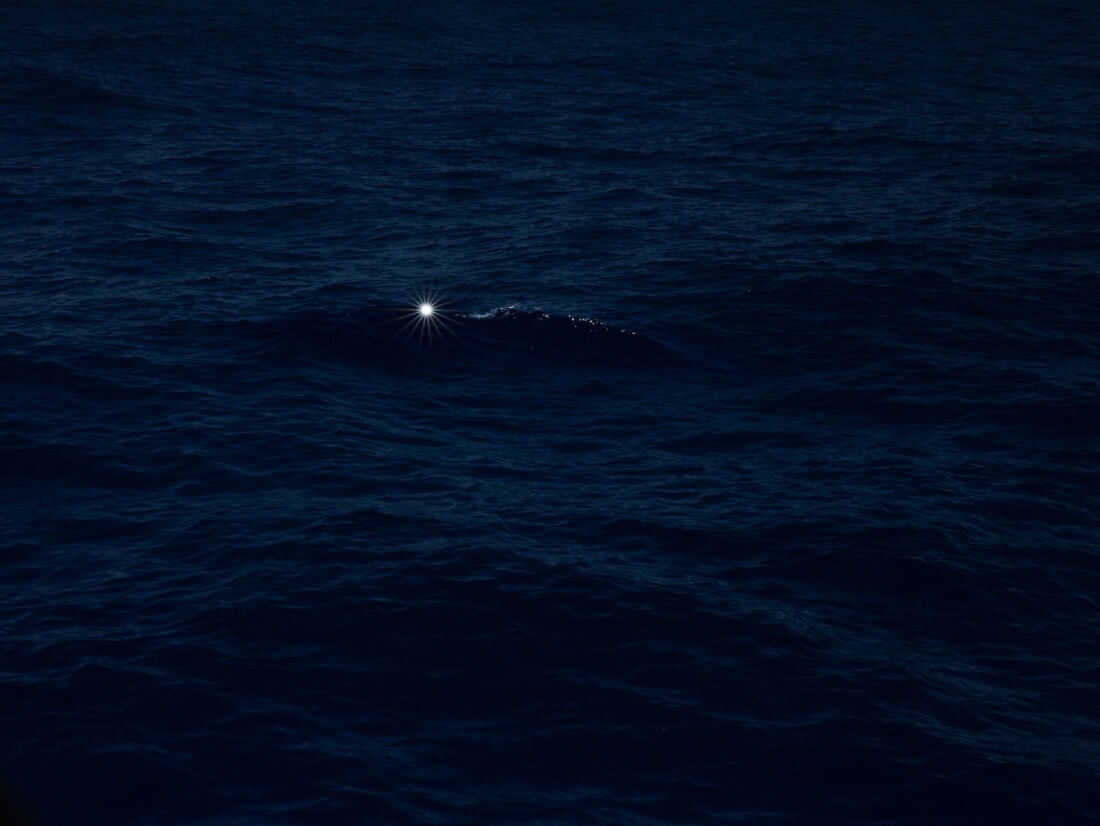
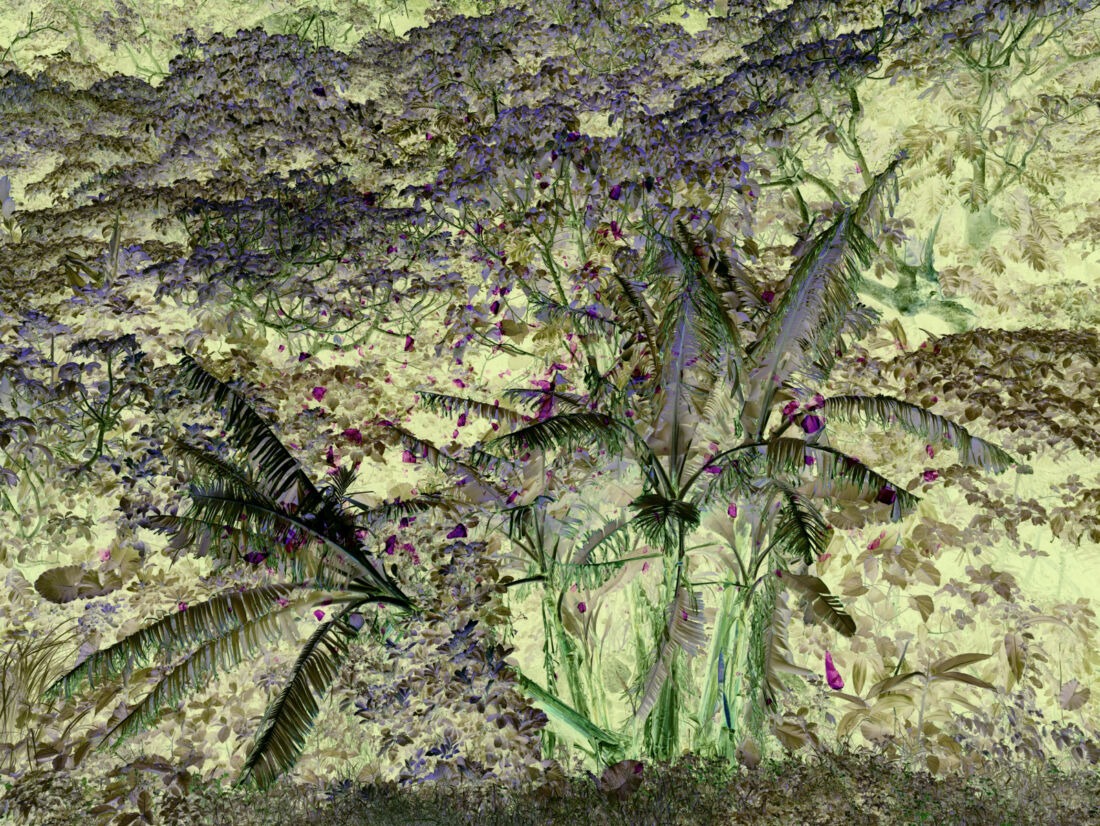
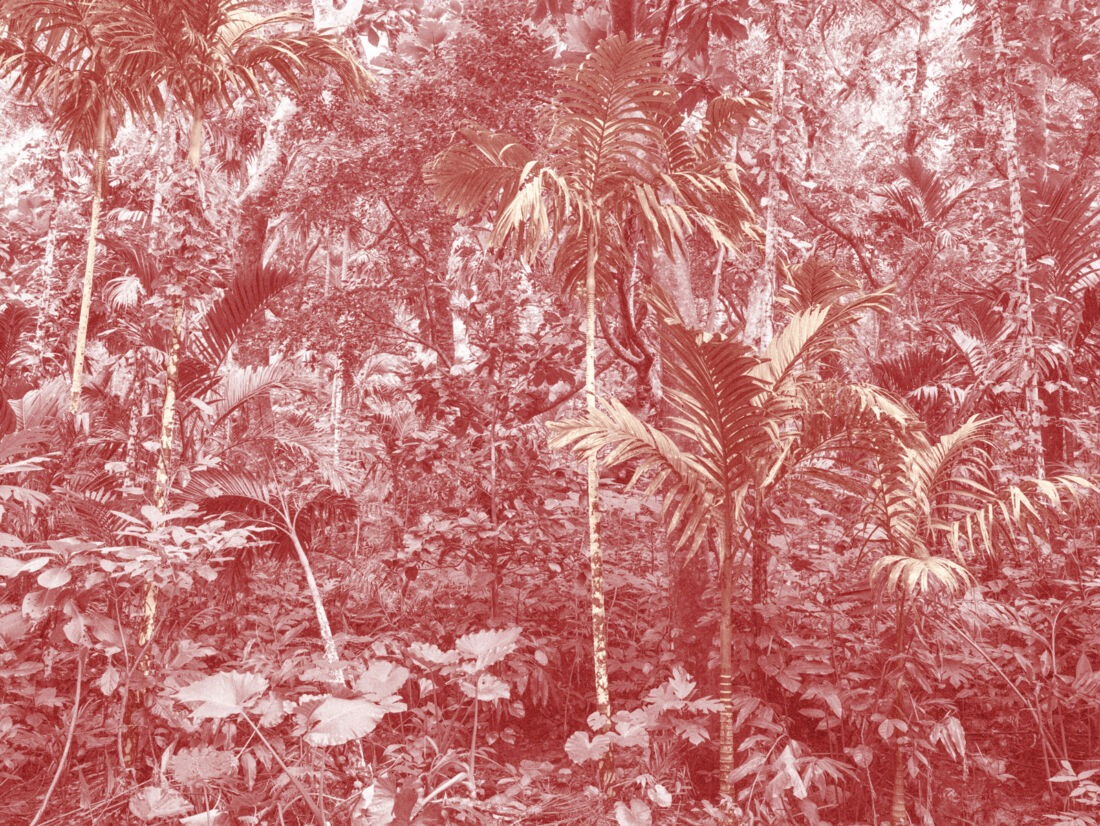
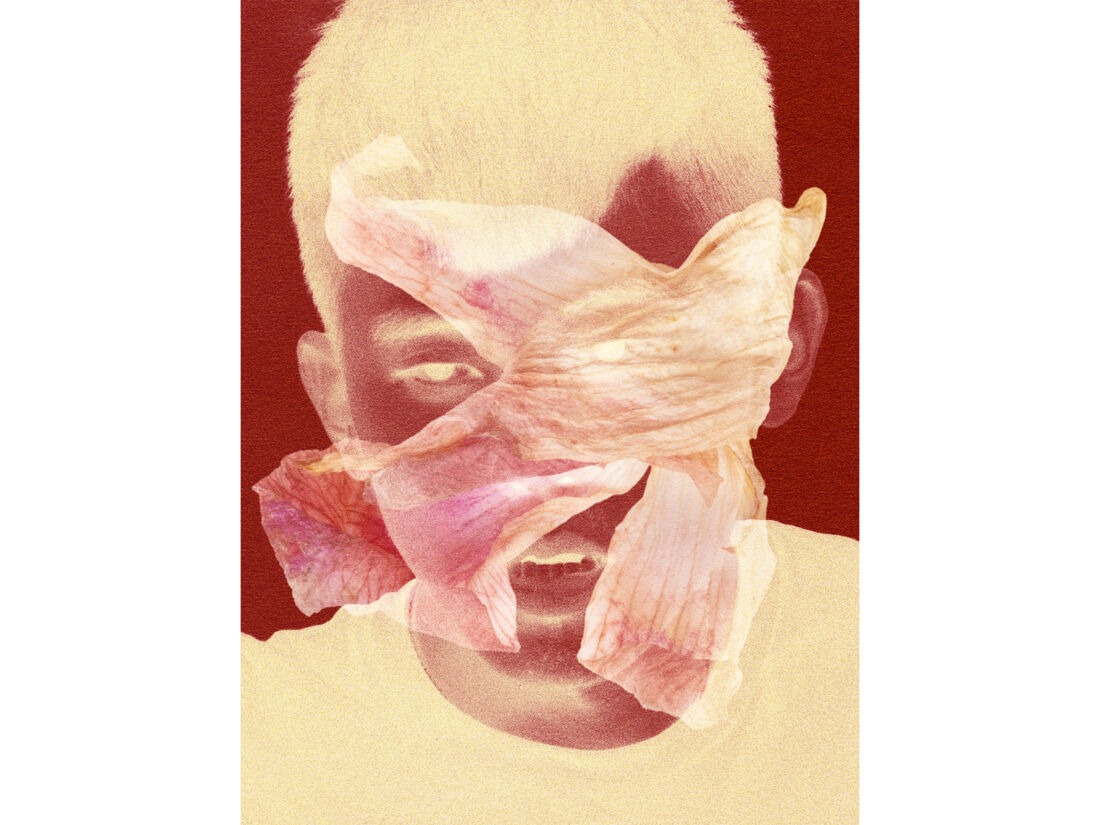
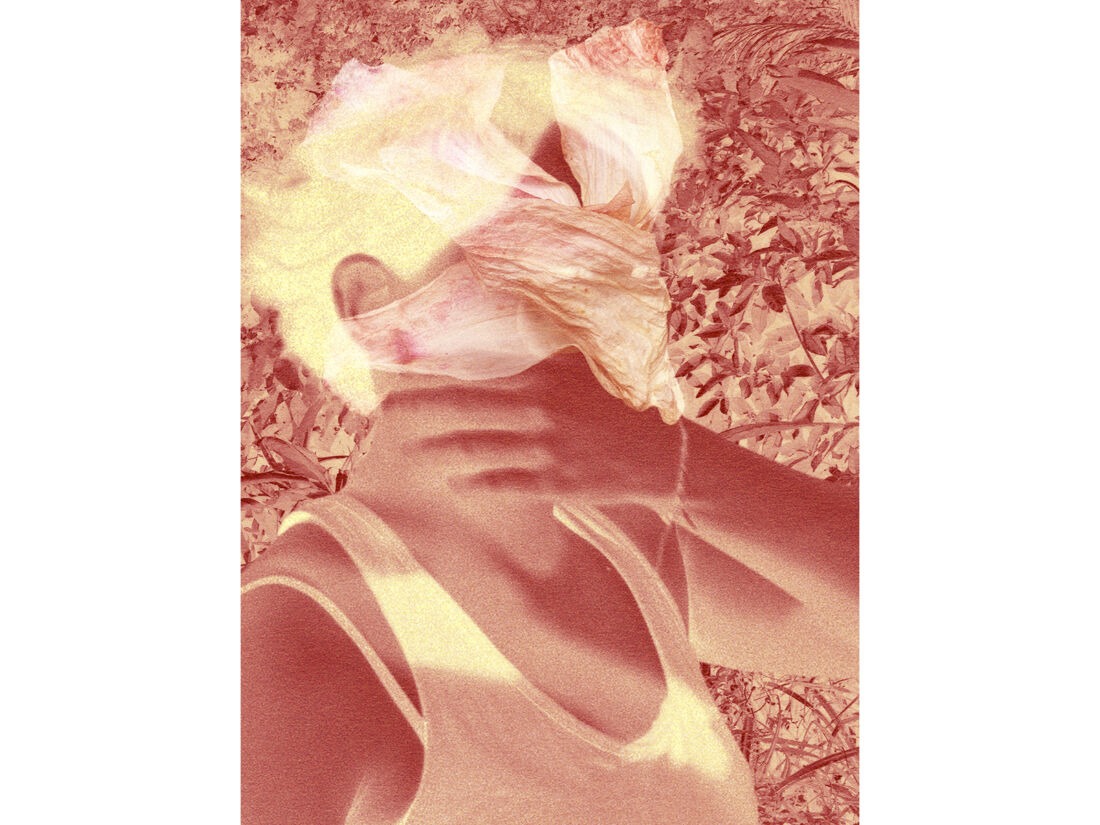
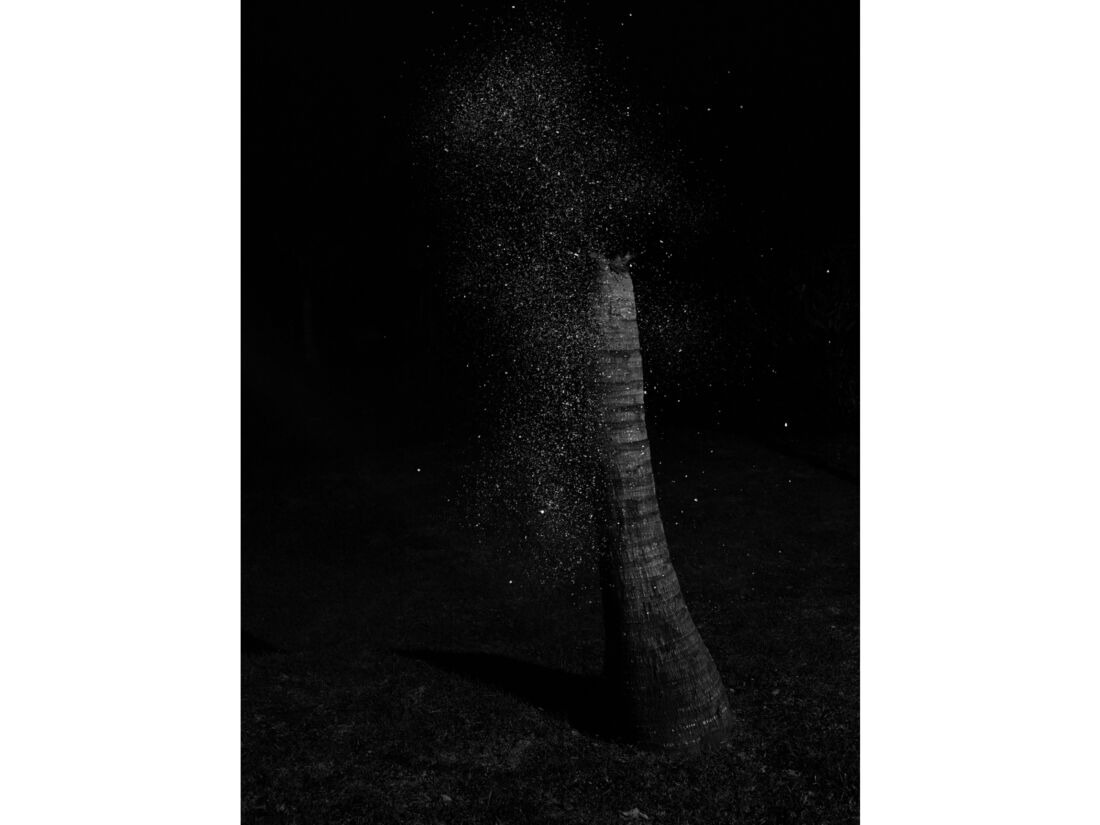
May We Live Forever in the Light of Day (a line from a Tao ritual chant) was created in the weeks following the shutdown of Taiwan’s last nuclear reactor. Reworked using uranium-coated glass produced between the late 19th and early 20th centuries, the photographs draw on Tao mythology to give form to the invisible presence of contaminants in the island’s ecosystem. At the crossroads of documentary and dreamlike construction, this work offers a reflection on structural environmental injustices and the loss of a sense of belonging to a place.