



Downtown Matador
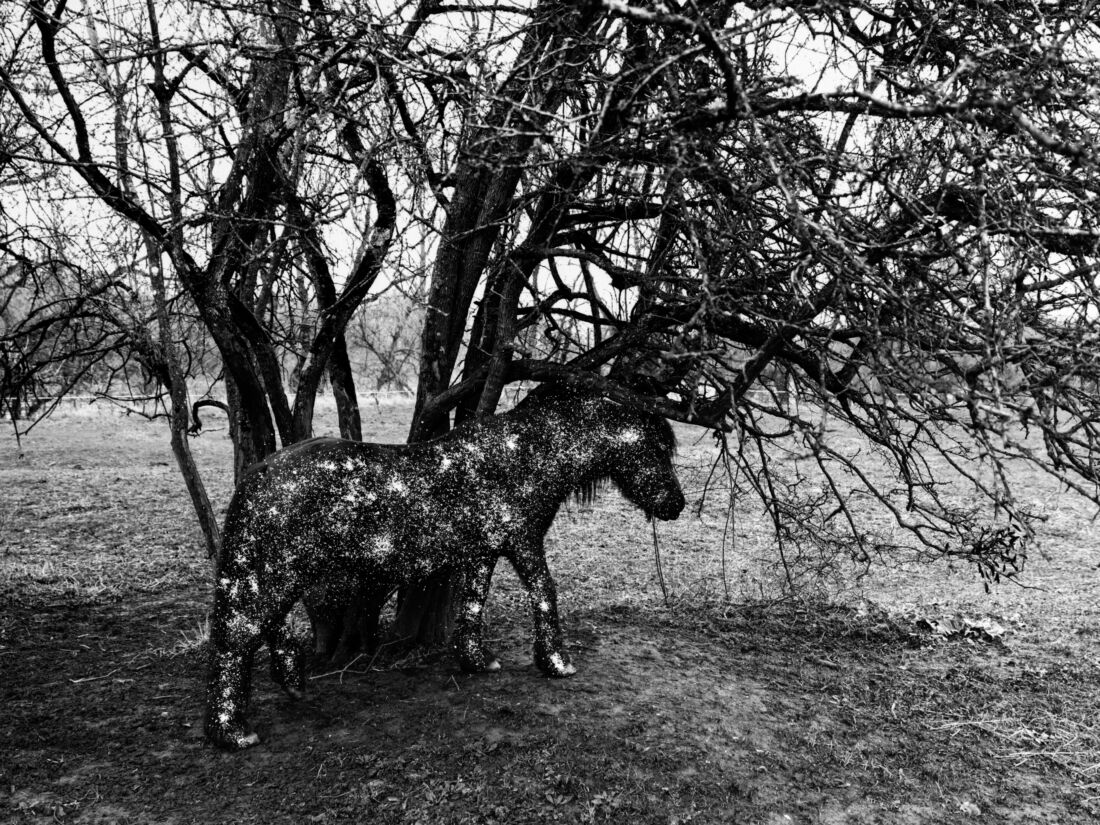
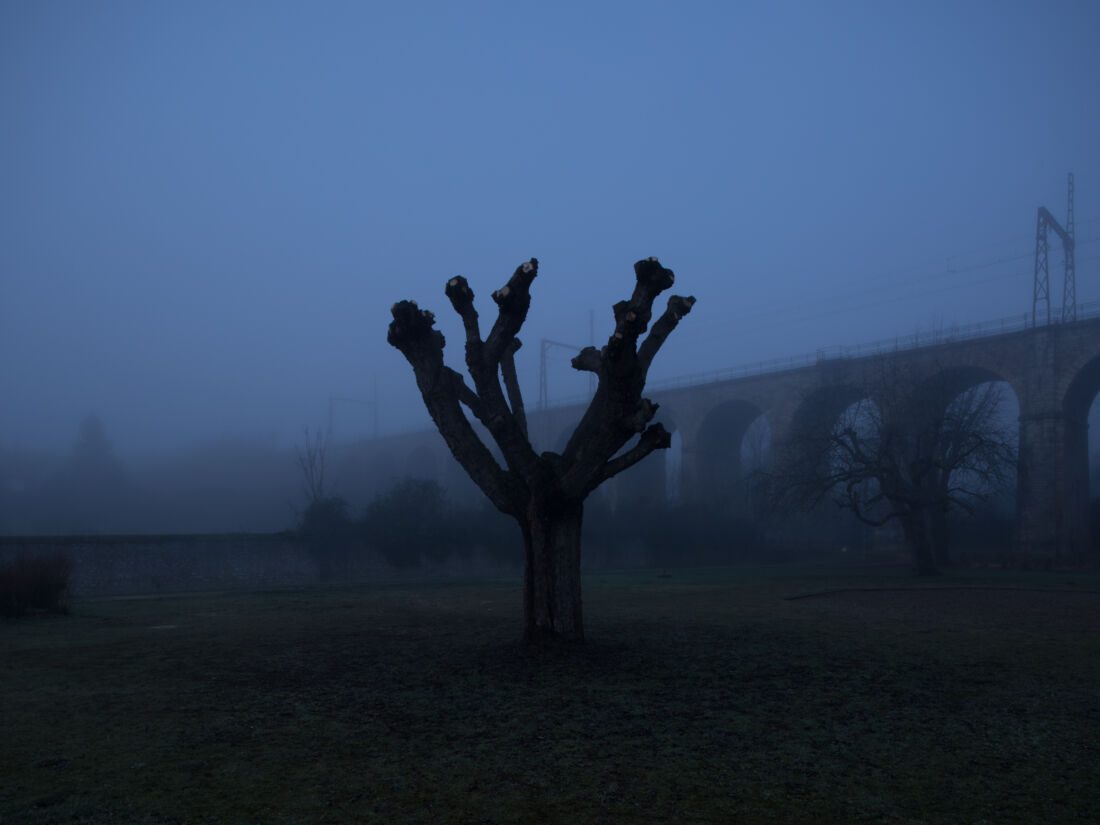
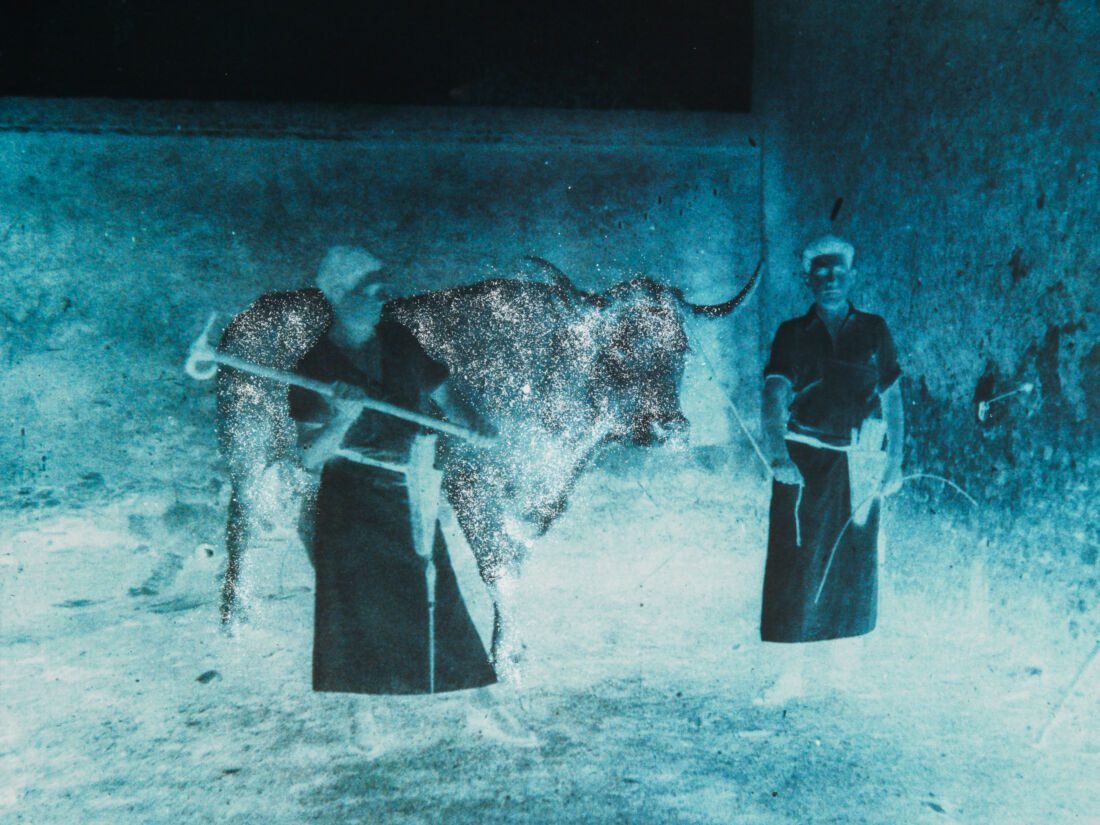
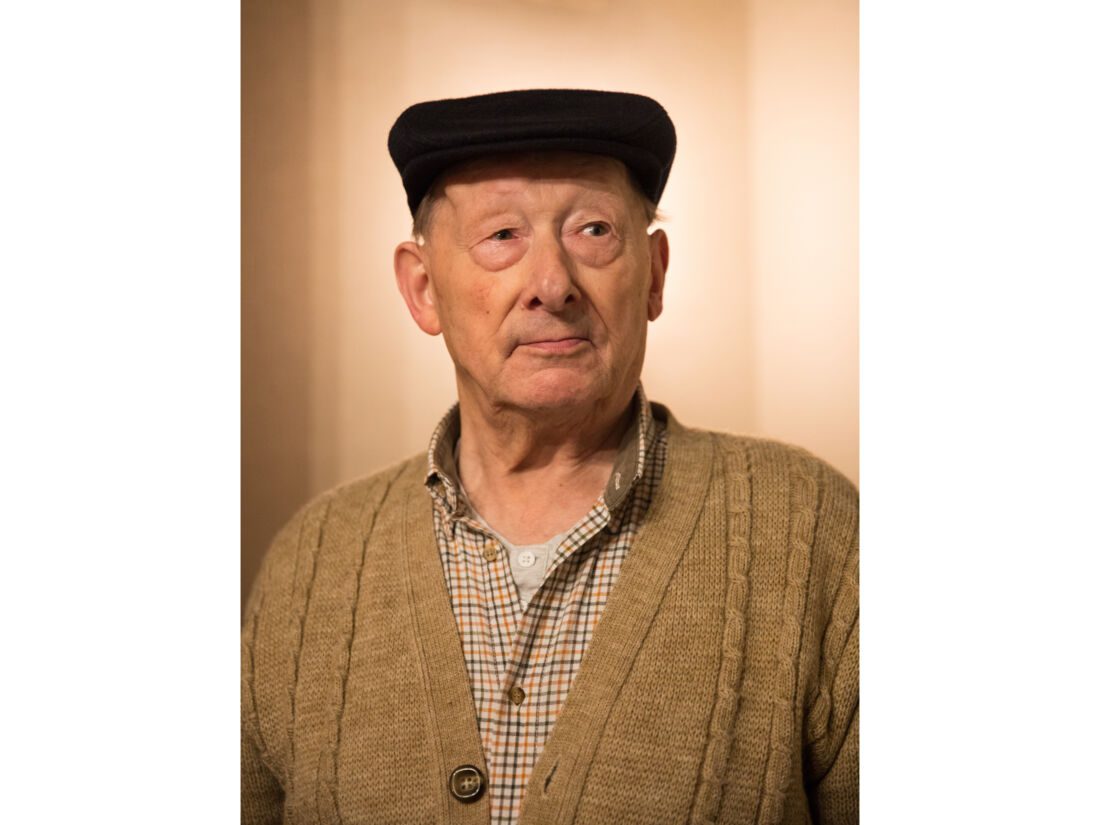
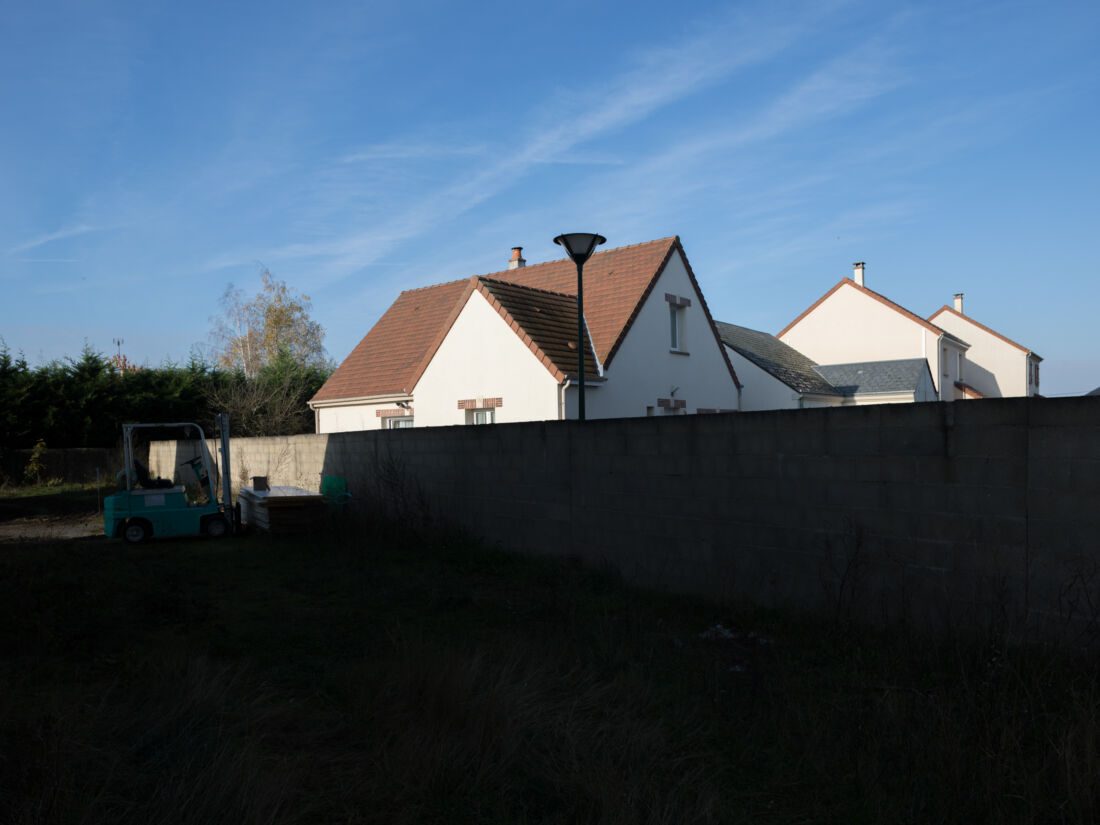
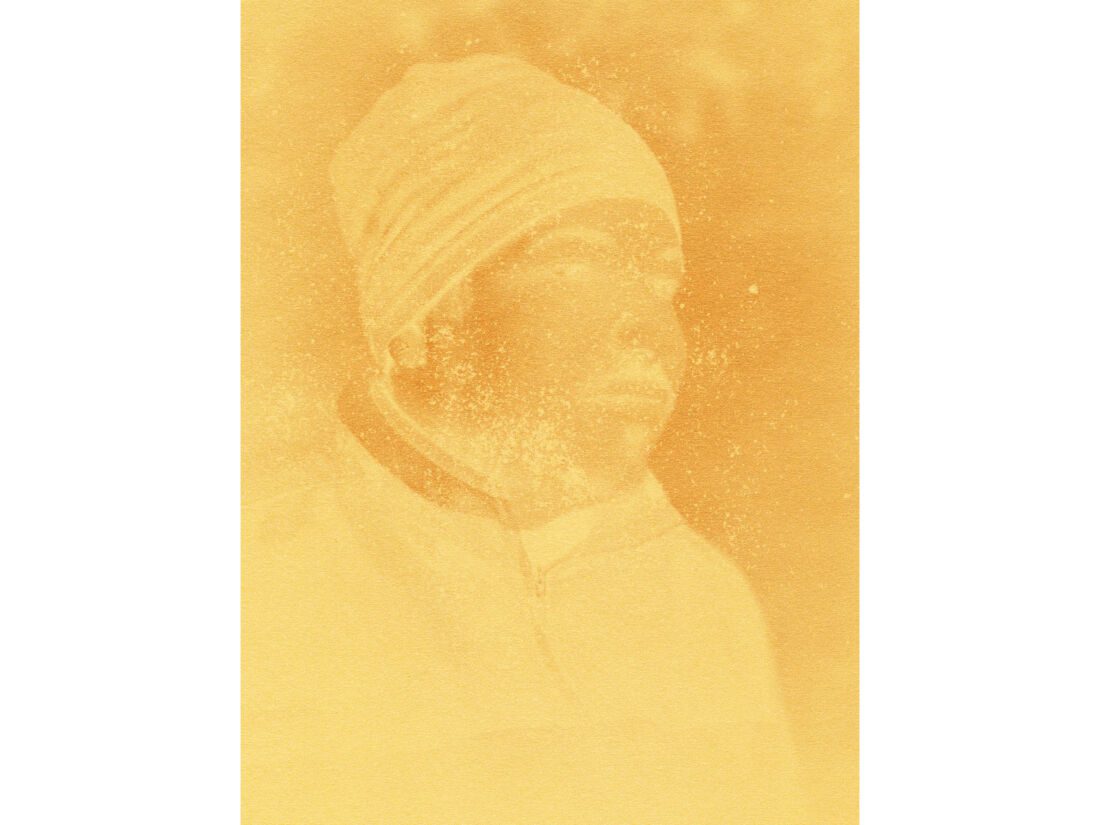
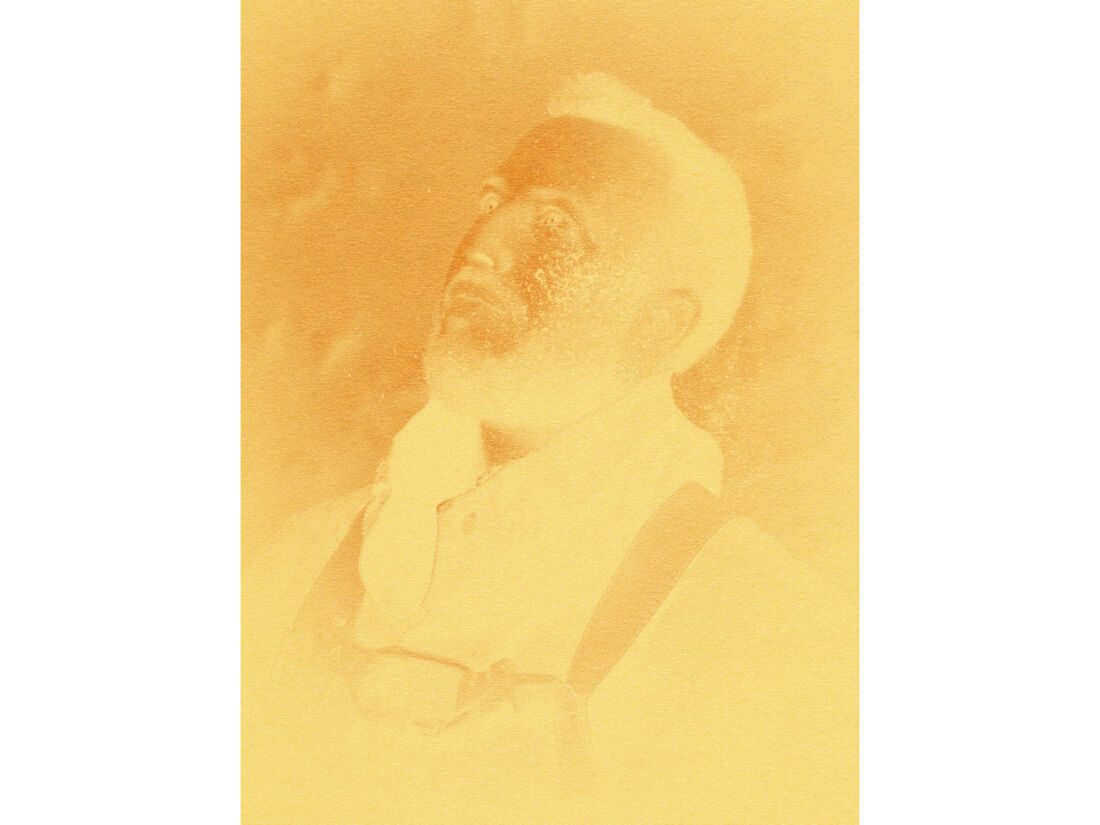
It is a story about the interior of bodies and places, their disappearance and transformation, their nostalgia or rejection. The former municipal slaughterhouse in Beaugency (Loiret) was built in 1864 using stones from a 15th-century Catholic chapel, which was conveniently destroyed in the context of the hygienist movement and the advent of the modern city. Beneath the surface of the ground, the remains of a cemetery abandoned shortly before the Revolution still lie exposed.
Within these walls, the blood of animals mingled with the evocation of the flesh of Christ, the slaughter of animals with biblical sacrifices, the Eucharist with rendering, sacral with massacral.
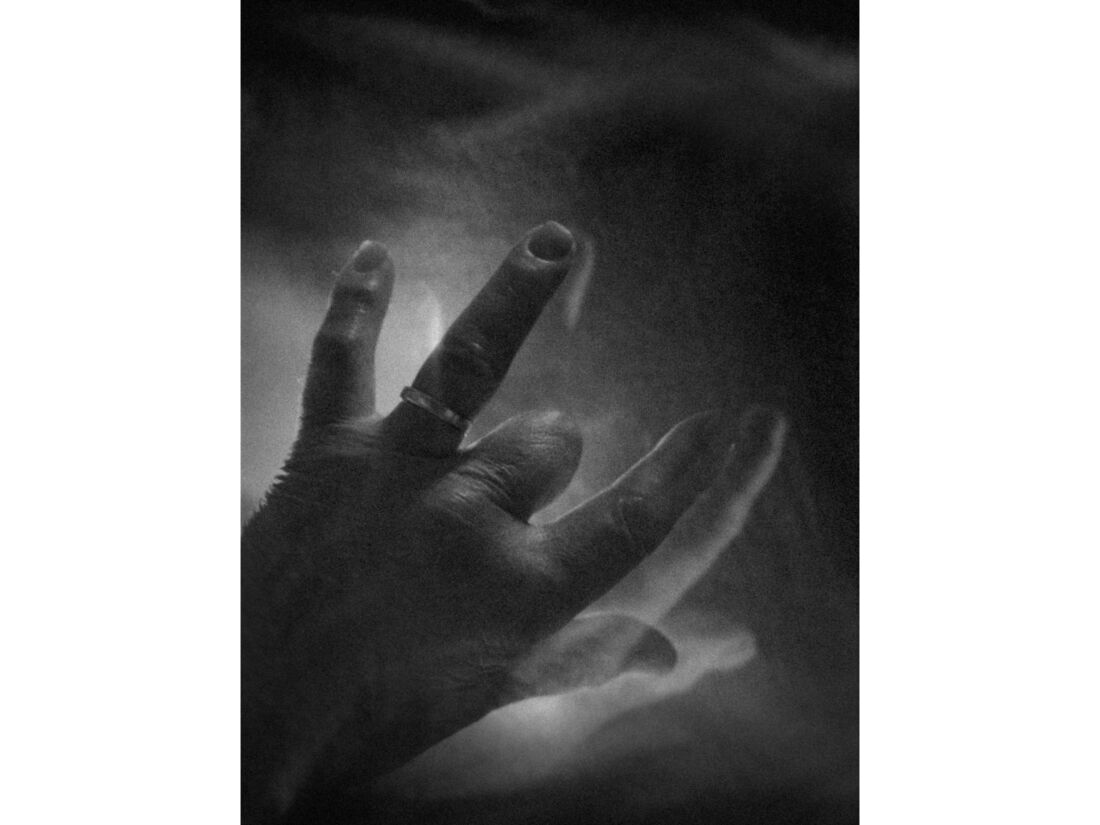
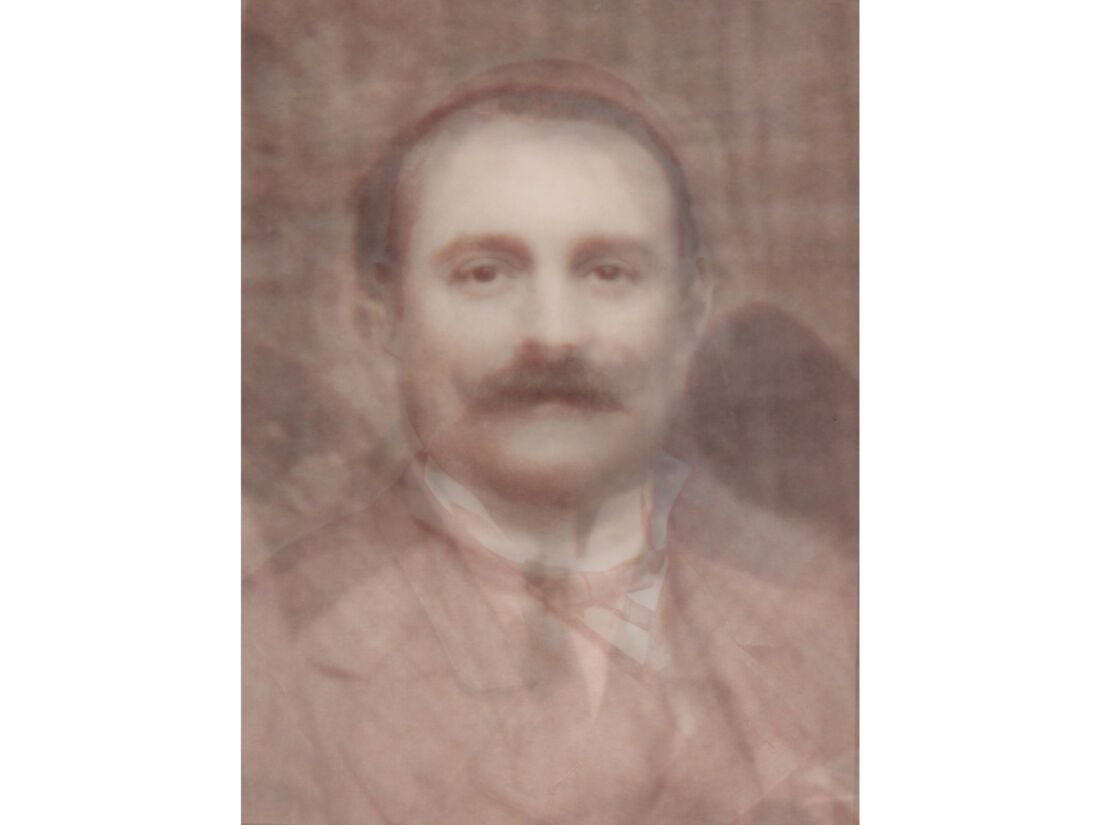
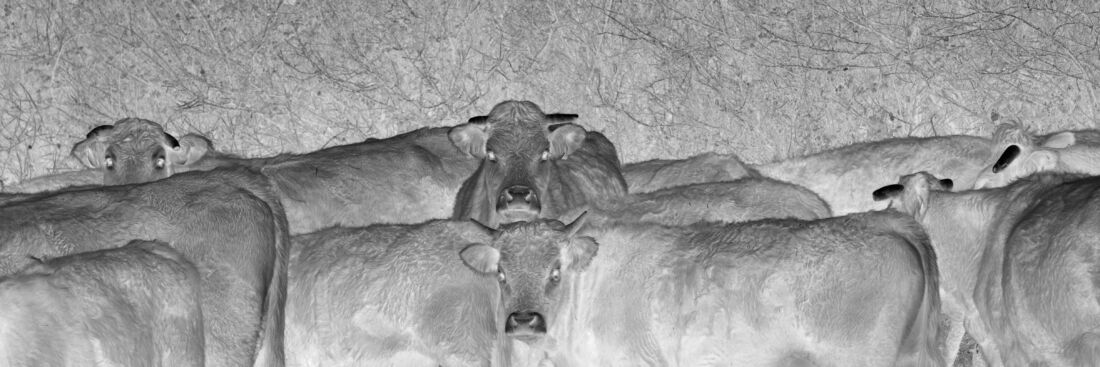
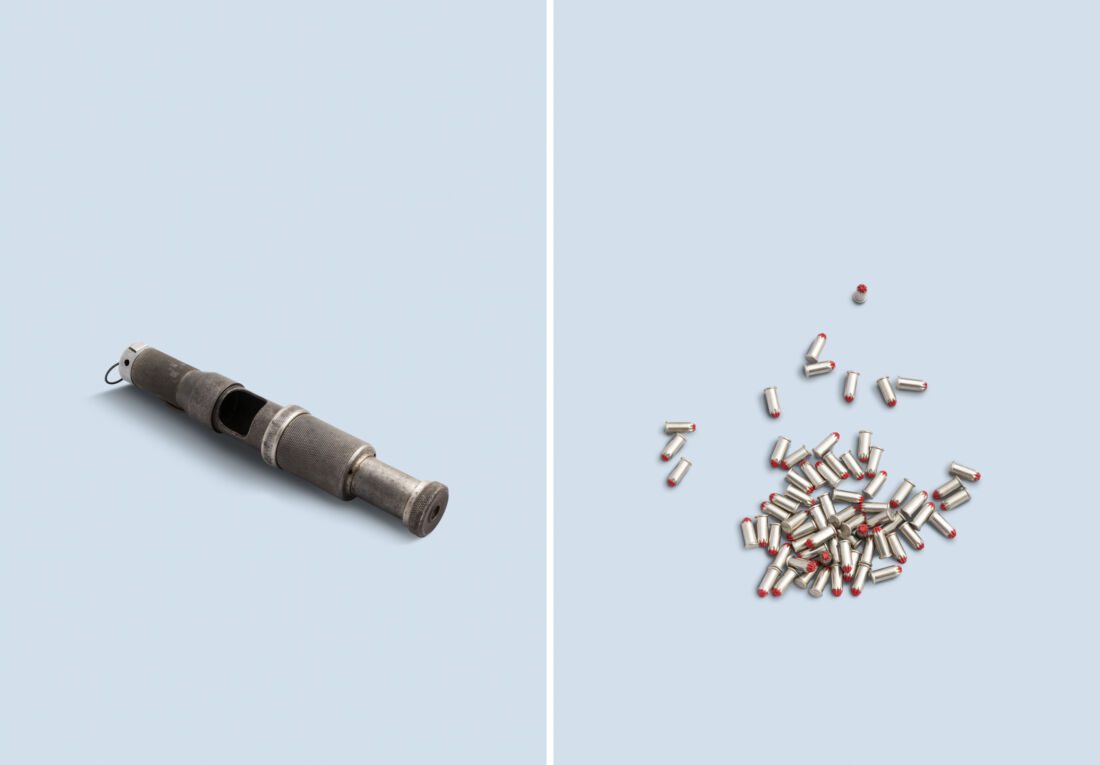
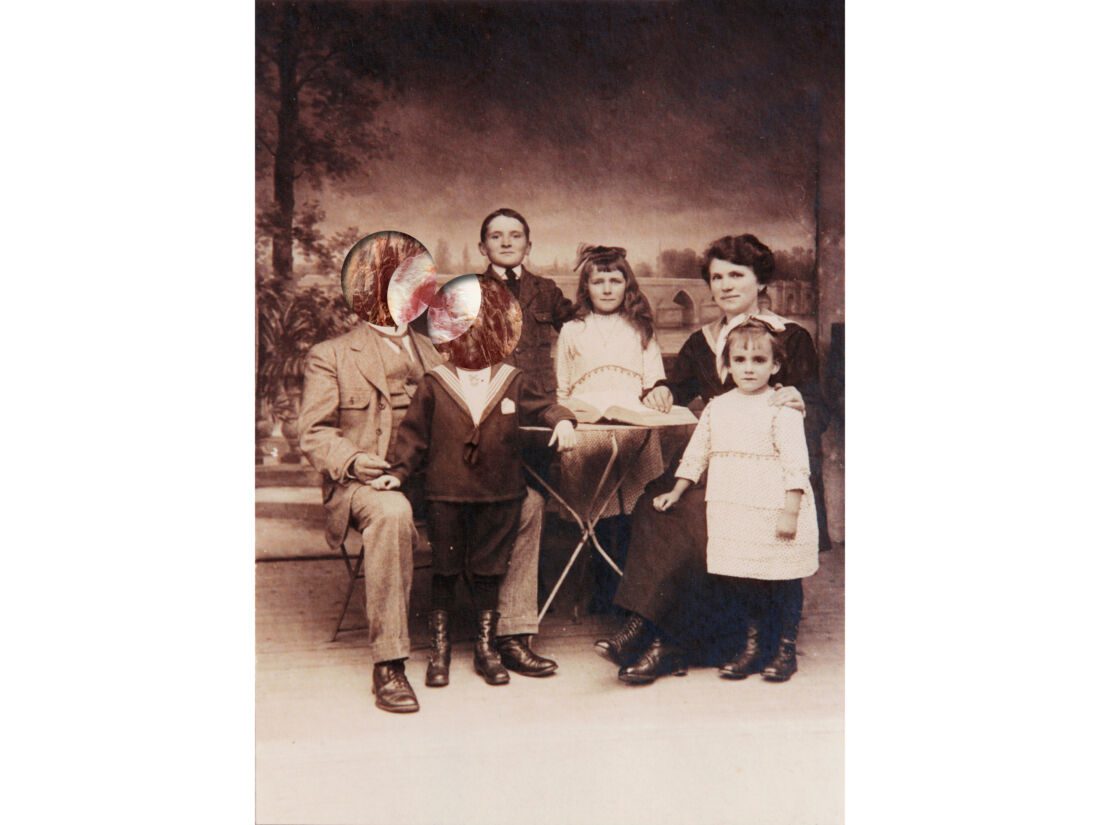
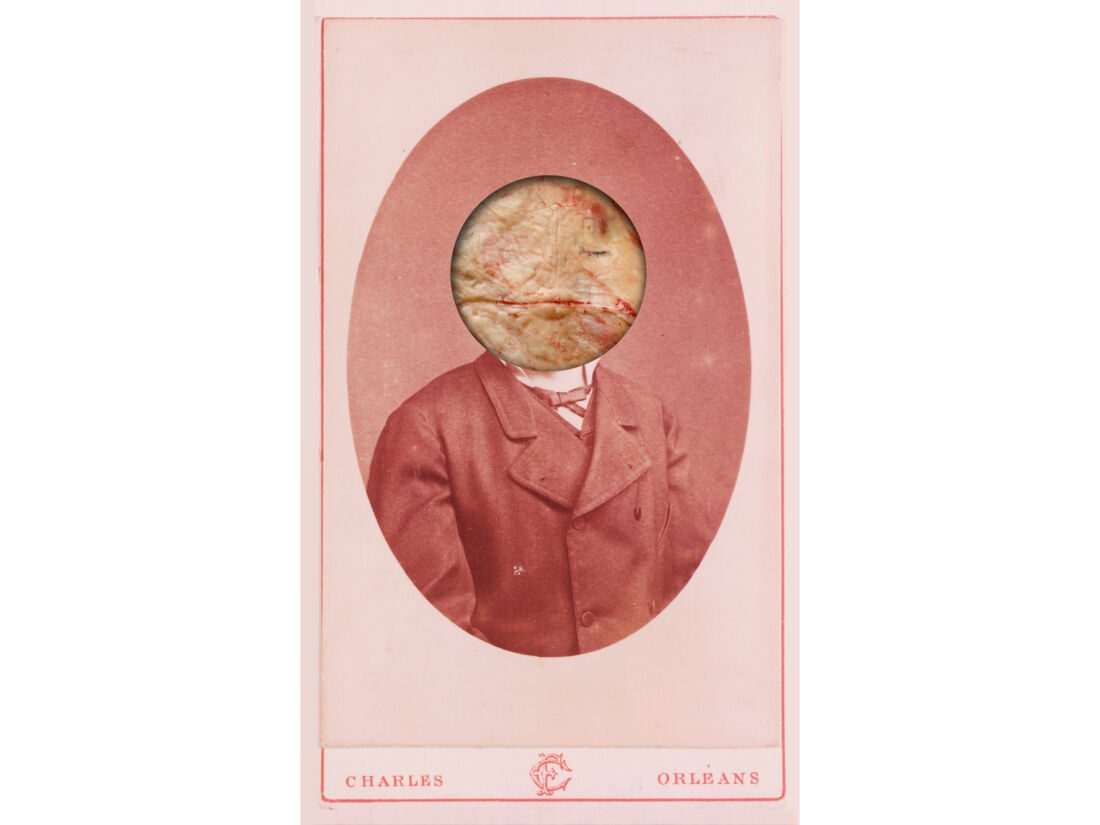
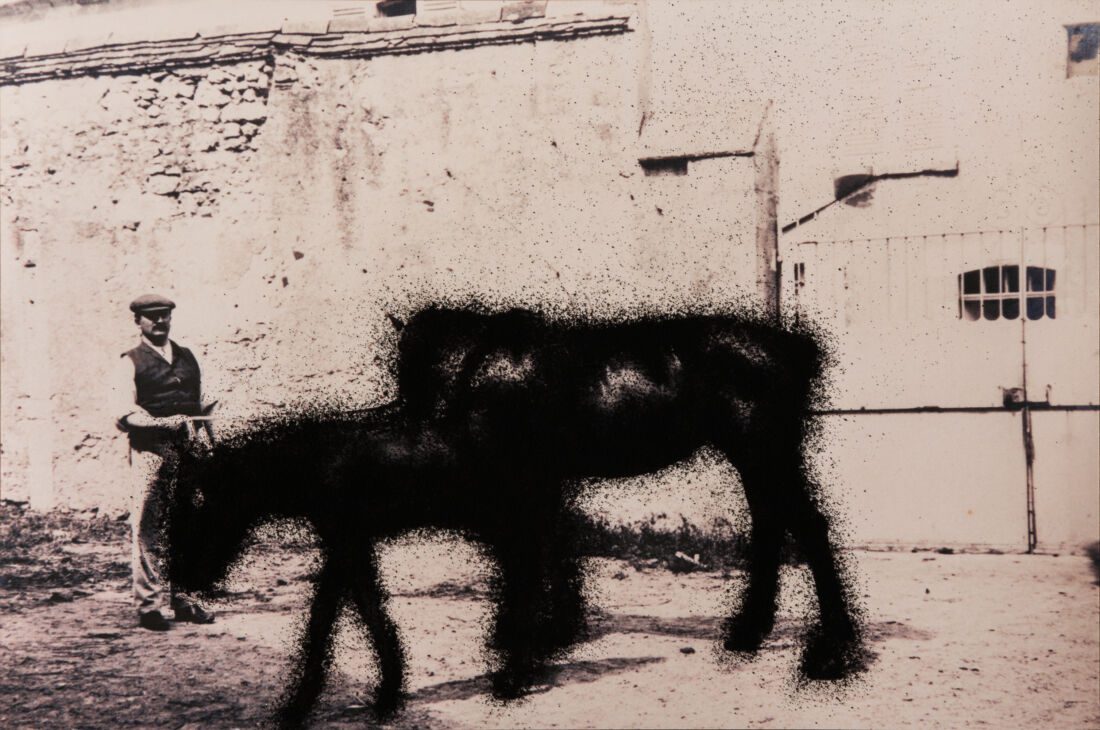
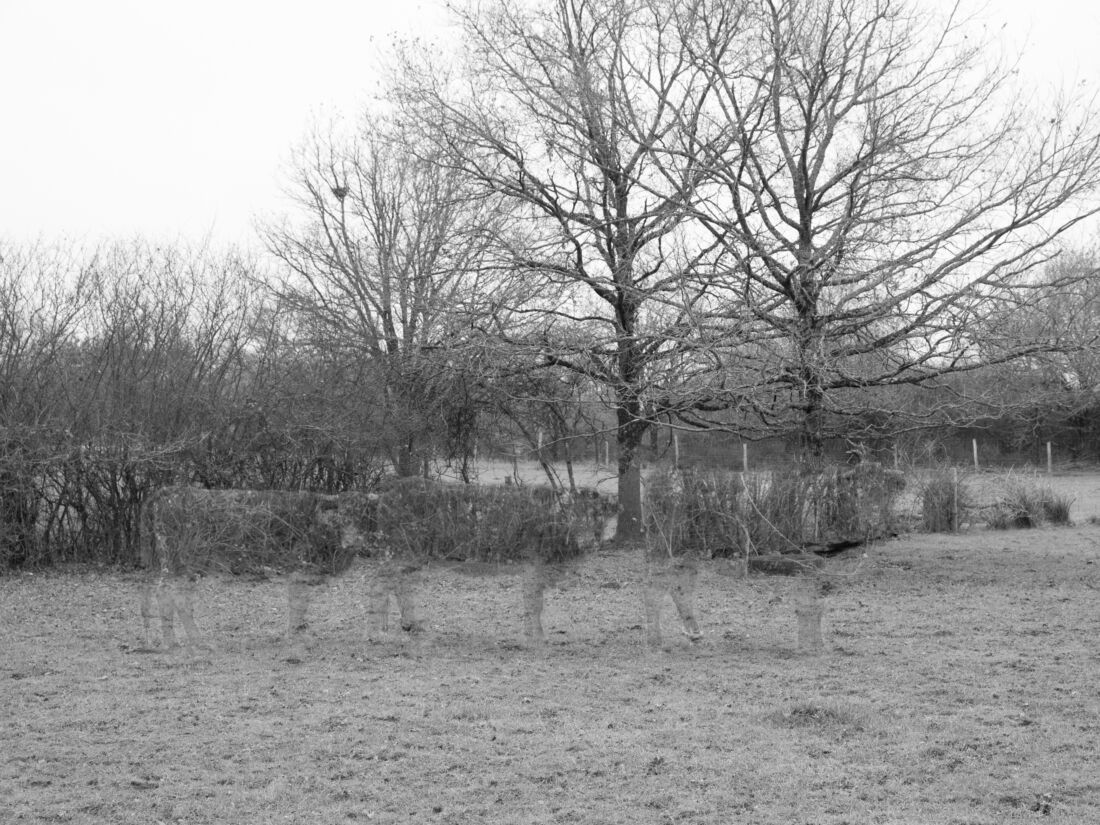
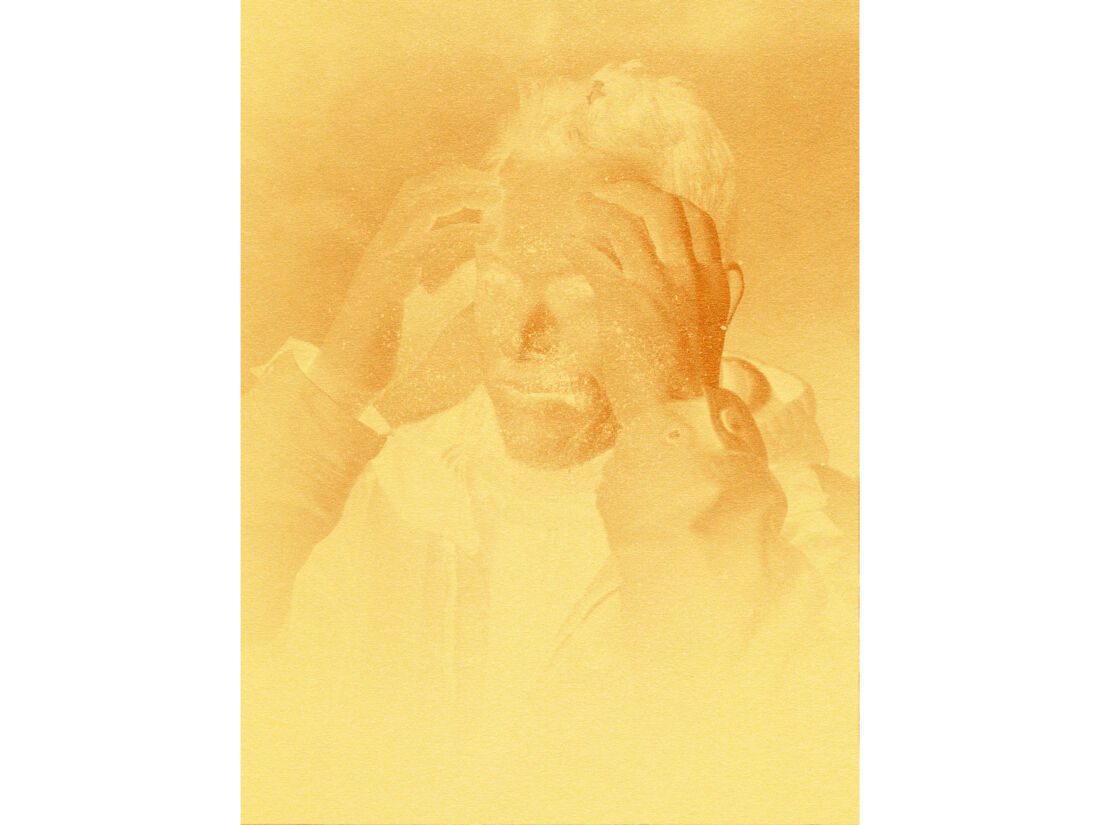
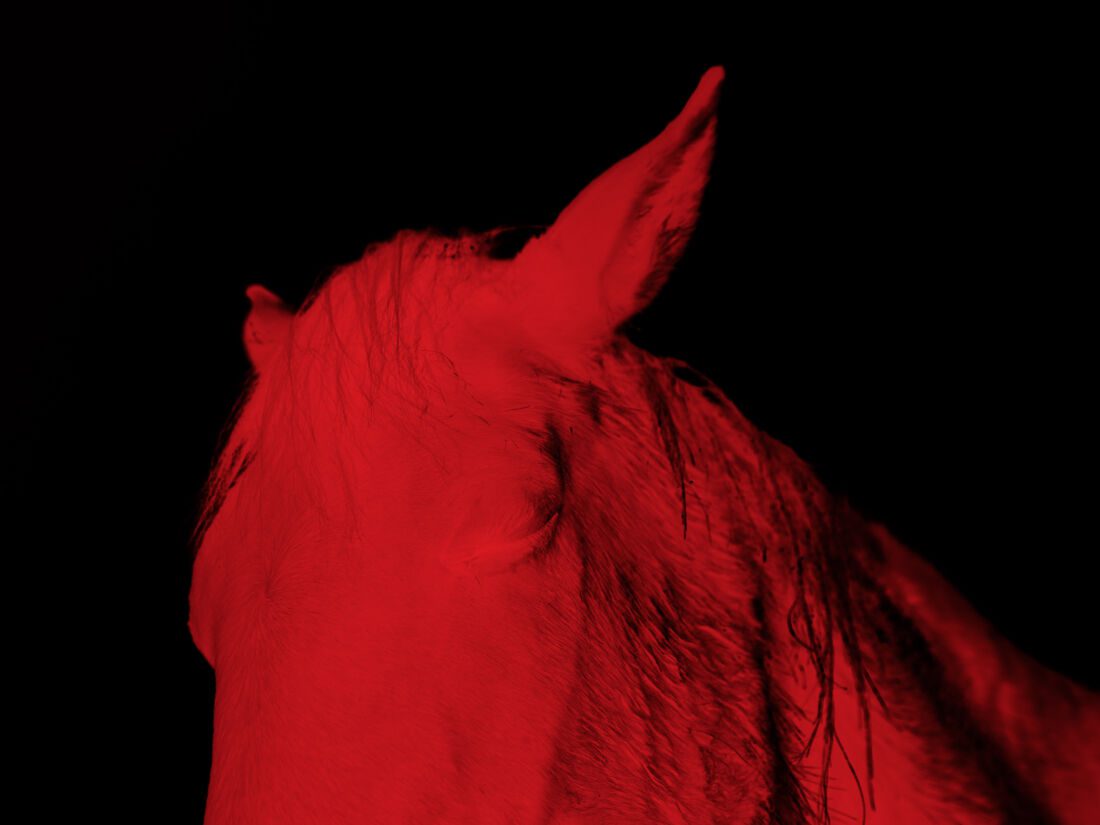
Built away from cities, invisible on Google Maps and road signs, slaughterhouses remain confined to a blind spot in the collective consciousness. This deliberate erasure leads to a lack of awareness of the deterioration of vulnerable bodies, their working conditions and their slaughter. Through a narrative where reality and myth merge, Downtown Matador addresses the contamination of species and spaces, the cutting up and fragmentation of organisms, dissecting the close link we have with human animality and the animalization, and therefore the reification, of animals.
Downtown Matador was produced as part of the ARDELIM 2024-2025 residency at the Maison Ligérienne de l’Image.